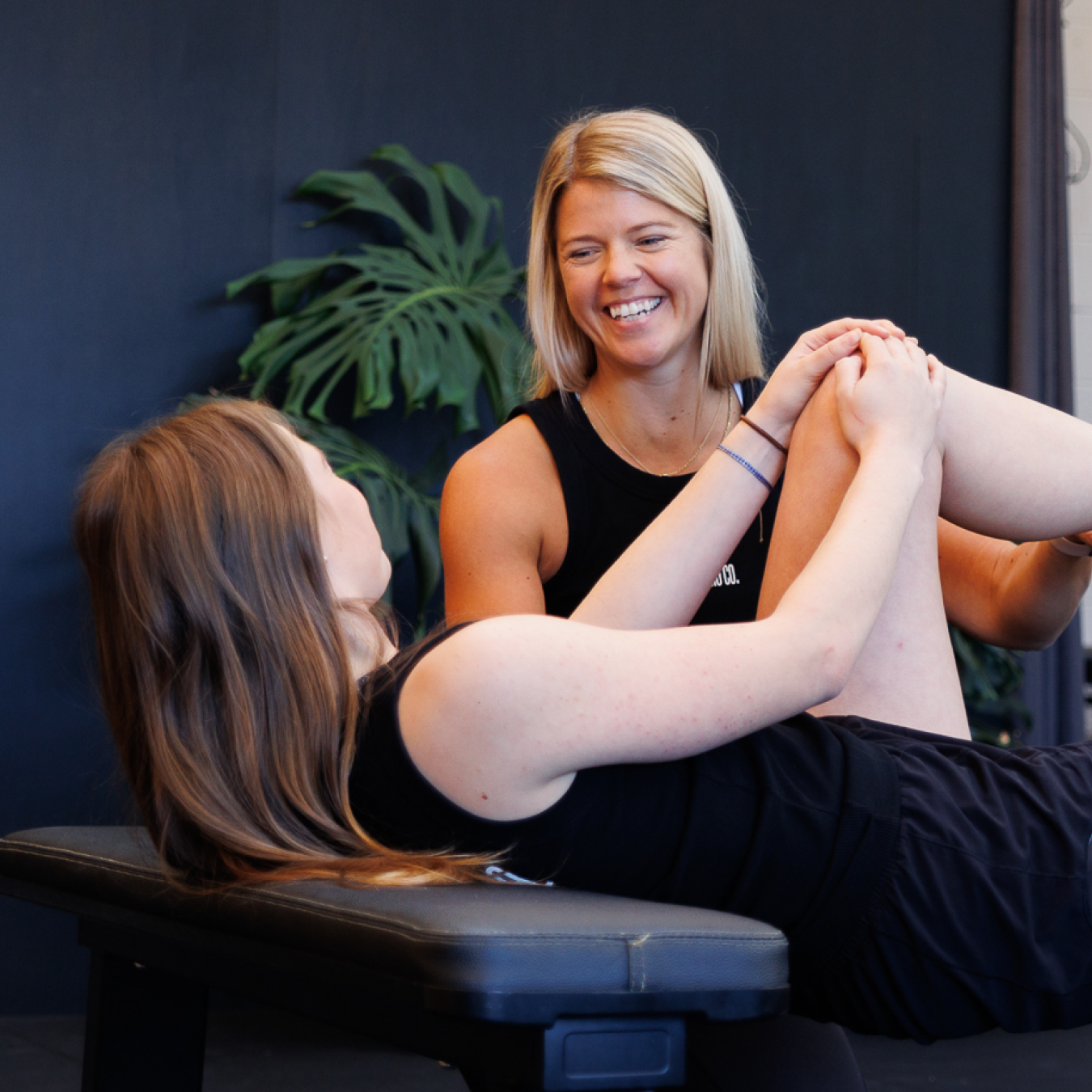
Some clinics treat symptoms. The Physio Co. treats the reason the symptom showed up in the first place, and that difference has quietly turned a two-room space in Wairau Valley into one of Auckland's North Shore's most trusted physiotherapy and rehab clinics.
Founded in 2019 by Eden Smuts, The Physio Co. was built around the idea that recovery shouldn't just mean getting back to where you were before you got hurt. Eden's own background as a high-level gymnast, and later a competitive gymnastics coach, gave her a trained eye for movement and a front-row seat to how small, overlooked patterns quietly cause big injuries. That experience became the foundation for "better than baseline," the ethos that now shapes everything The Physio Co. does, from how a first appointment runs to how the team built their in-house rehab gym.
We sat down with Eden to talk about starting the clinic from scratch, what running a healthcare business actually involves day to day, and how The Physio Co.'s website and online presence have evolved since working with the KARL team on a redesign and local SEO.
Eden's Story & The Physio Co.
What made you decide to start The Physio Co. rather than join an existing clinic?
I started The Physio Co. because I wanted to create the kind of clinic I felt was missing. I wanted a space where patients felt genuinely listened to, where appointments weren't rushed, and where treatment focused on getting to the root cause rather than just managing symptoms. I also wanted to build a team that shared the same values around evidence-based care, collaboration, and creating a really positive experience from the moment someone walks through the door.
Joining an existing clinic would have been the easier option, but it wouldn't have given me the opportunity to build the culture, patient experience, and standard of care that I envisioned. Starting The Physio Co. meant I could create a clinic that reflected my values and gave both patients and clinicians an environment where they could thrive.
Your ethos is "better than baseline." Where did that philosophy come from, and how does it show up in a typical session?
"Better than baseline" came from a simple belief that recovery shouldn't just mean getting someone back to where they were before they were injured. If someone has been injured, it's often because there were underlying factors, whether that's strength, movement patterns, training load, or recovery habits, that contributed in the first place. If we only aim for baseline, we've missed an opportunity.
Our goal is to help people come back stronger, more resilient, and with a better understanding of their body than they had before the injury. That's what "better than baseline" means to us.
In a typical session, that philosophy shapes everything we do. We spend time understanding not just where the pain is, but why it's there. We educate patients so they understand their injury, use hands-on treatment when it's appropriate, and then build an individualised rehabilitation plan that targets the root cause. Whether someone's goal is returning to elite sport, running their first half marathon, or simply being able to play with their kids pain-free, we're always thinking beyond symptom relief and towards long-term performance and injury prevention.
At the end of the day, success isn't just that the pain is gone, it's that our patients leave more confident, stronger, and better equipped to stay active for years to come. That's what "better than baseline" looks like in practice.
What's a moment early on that told you the business was actually going to work?
I think one of the moments I really knew The Physio Co. was going to work was actually in our very early days, when we were operating from our first premises.
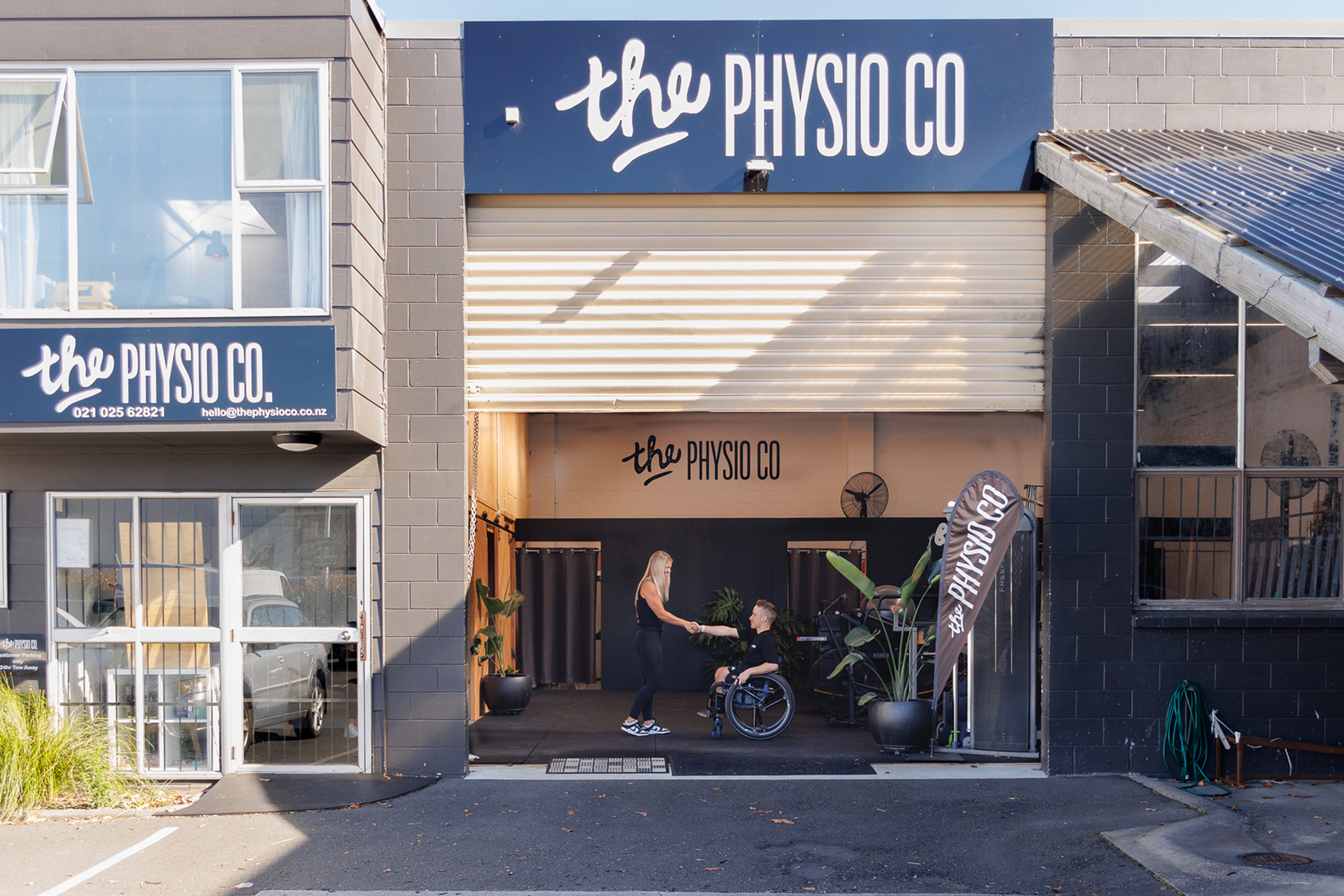
It was far from the polished clinic we have today. We were tucked away, back off the road, in a very raw industrial space that was honestly a little bit dingy. It wasn't the kind of place that would immediately impress someone walking in for the first time, and there were definitely moments where I wondered whether people would find us or whether the environment would hold us back.
But patients kept showing up.
They came because they trusted us, because they valued the care they received, and because they could feel the difference in the way we approached their recovery. That was the first real sign that what we were building wasn't about the walls around us. It was about the experience, the relationships, and the standard of care we provided.
Seeing patients return, refer their friends and family, and continue to support us despite those early limitations was incredibly validating. It showed me that if we stayed true to our values, people would connect with what we were trying to create.
What's the hardest part of running a physio clinic that people outside the industry never think about?
I think the hardest part of running a physio clinic that people outside the industry don't always see is that our ultimate goal is actually to make ourselves unnecessary.
We start every patient relationship with the aim of helping someone get better, build confidence in their body, and return to doing the things they love. The measure of success isn't keeping someone coming back forever, it's giving them the tools, knowledge, and strength to manage their body independently.
When we do our job really well, we make ourselves redundant. And while that's incredibly rewarding from a clinical perspective, it creates a unique challenge as a business owner because we're not built around keeping people dependent on us. We're built around creating meaningful change.
Outside of the clinical side, there's also the reality of running a healthcare business: supporting a team, creating a strong culture, managing the operational and financial side, and constantly finding ways to improve while maintaining the standard of care we believe in.
The challenge is balancing those two worlds: building a sustainable business while staying true to a philosophy where the best outcome is a patient who no longer needs us. For me, that's also what makes it so rewarding.
On the Physio Industry
What's the biggest misconception people have about physiotherapy, either as patients or from other clinics in the industry?
I think one of the biggest misconceptions about physiotherapy is that it's just about treating pain or getting someone through a few sessions until they feel better.
Pain is often the thing that brings someone through the door, but it's usually only part of the story. Great physiotherapy is about understanding why something happened in the first place, addressing the contributing factors, and giving someone the tools and confidence to prevent it from happening again.
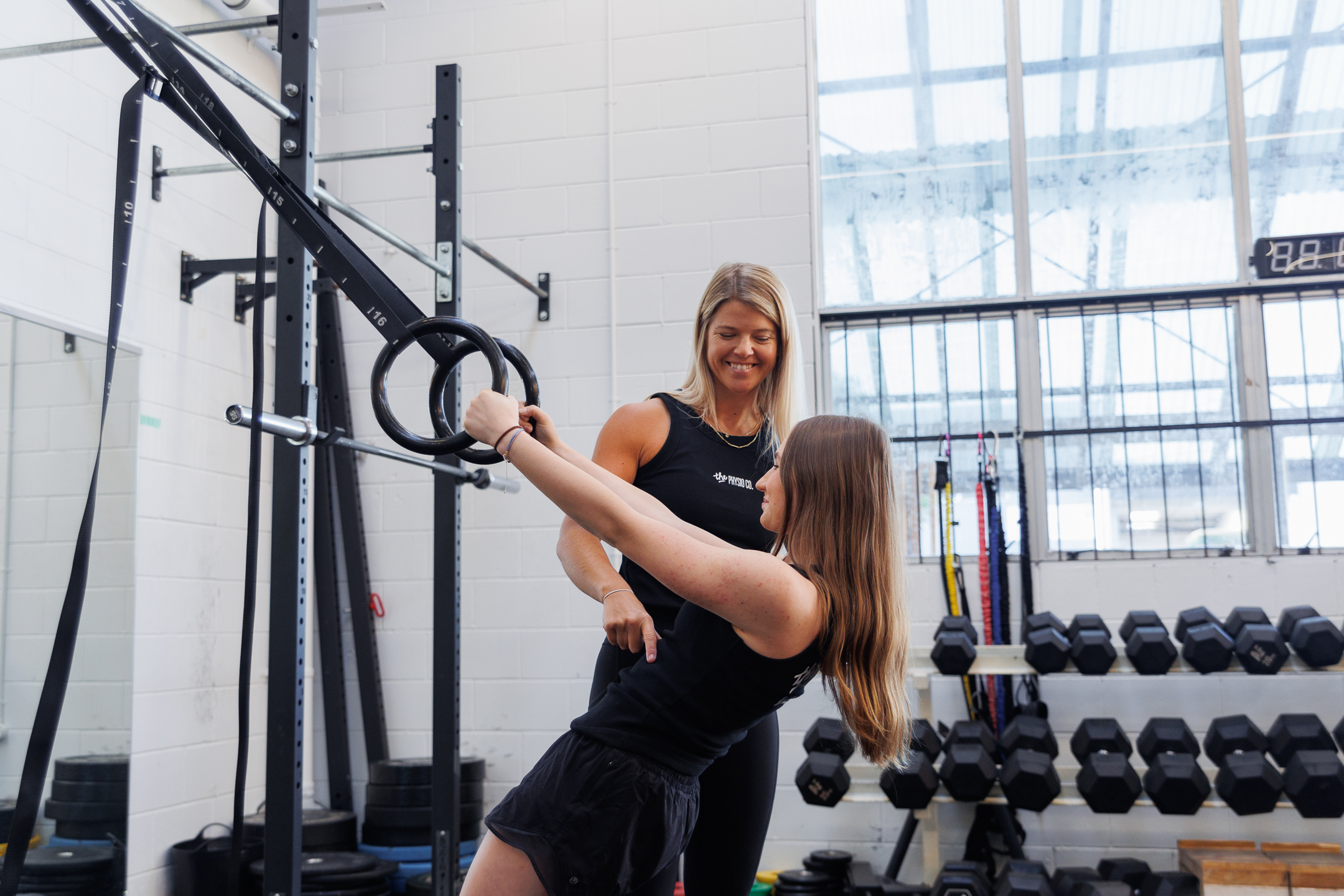
Another misconception is that physiotherapy should be passive, that the physio "fixes" you through hands-on treatment alone. While hands-on techniques can absolutely have a role, the most powerful part of rehabilitation is often the active work: building strength, improving movement, gradually loading tissues, and helping people understand their own body.
I think there can also be a misconception that you only need a physio when you're injured. The reality is that physiotherapy can play a huge role in optimising performance, preventing injuries, and helping people stay active long-term.
What's the most common thing you see in a first session that surprises a new client about their own body or movement?
I think the thing that surprises people most in their first session is how much more there is to their problem than just the area that hurts.
A lot of people come in expecting us to focus only on where they feel pain, "my knee hurts, so we'll just look at my knee" or "my back hurts, so something must be wrong with my back." But the body doesn't work in isolation. We often find that the source of the issue may involve strength, mobility, movement patterns, training loads, recovery, or habits that have developed over time.
One of the most rewarding moments is when we can show someone something simple, maybe a difference in their strength, how they move, or how their body responds to a certain position, and they have that lightbulb moment of, "Oh, I never realised my body was doing that."
I think people are often surprised by how capable their bodies actually are. Many come in feeling frustrated or worried that something is "broken," but through assessment and education they start to understand that their body is adaptable and that they have more control over their recovery than they realised.
If someone's putting off booking an appointment for a nagging injury, what would you actually say to them?
I'd say: don't wait until something becomes a bigger problem before you get it looked at.
A lot of people put off booking because they think, "It's not that bad," or they hope it will just go away on its own. Sometimes it does, but often those small niggles are your body's way of telling you that something needs attention. The longer you continue compensating, changing the way you move, or avoiding certain activities, the harder it can be to get back to where you want to be.
The good news is that you don't need to wait until you're in significant pain to see a physio. In many cases, the earlier we assess something, the easier it is to understand what's going on and give you a clear plan to get back to doing what you love.
I'd also remind people that a first appointment isn't committing to months of treatment, it's simply getting clarity. Understanding what's happening, what you can do about it, and having confidence in the next steps can be incredibly valuable.
Your body is worth investing in. Whether your goal is returning to sport, training consistently, or simply moving without that annoying limitation you've been putting up with, getting the right advice early can save a lot of frustration later.
Building The Physio Co.
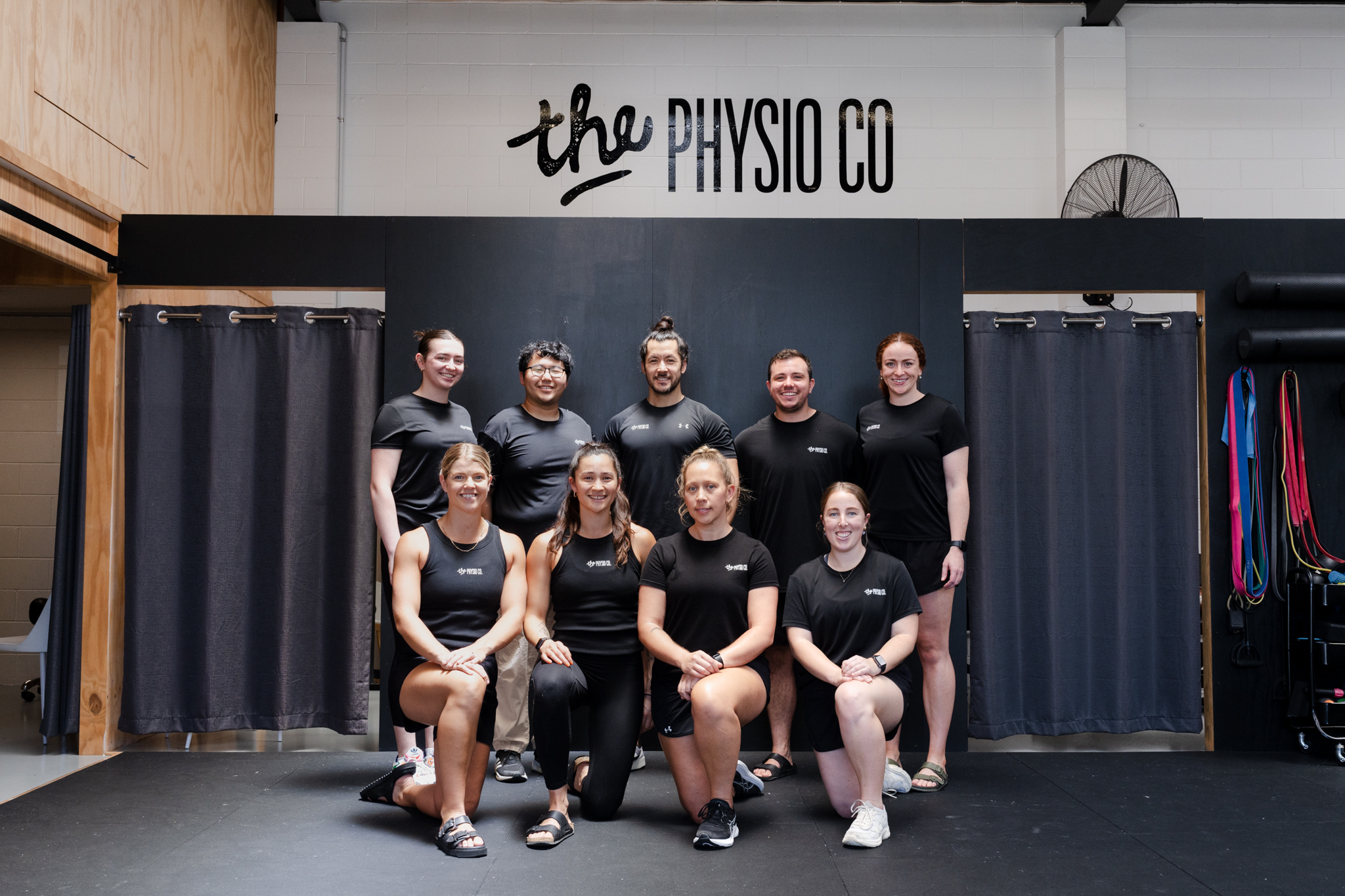
Auckland has no shortage of physio and rehab clinics. How do you think about standing out in a market that's so trust-based?
Auckland is incredibly lucky to have so many talented physiotherapists and healthcare providers, so we've never viewed standing out as simply trying to compete with other clinics. For us, it has always been about being clear on who we are, what we value, and the experience we want every person to have when they walk through our doors.
Physiotherapy is a trust-based industry. People are often coming to us when they're in pain, frustrated, or unable to do the things that are important to them. They're trusting us with their body, their goals, and often a big part of their lifestyle. That trust is something you earn over time through consistency, communication, and genuinely caring about the person in front of you.
From the beginning, our focus has been on creating a clinic where people feel listened to, where they receive high-quality evidence-based care, and where they understand the "why" behind their treatment. Ultimately, we don't measure success by being the biggest clinic or having the loudest voice. We measure it by the trust our community places in us every day, and we never take that for granted.
What's changed about the clinic or how you run it since you started, that you didn't expect to change?
I think the biggest thing that has changed since we started The Physio Co. is that it has become so much bigger than just me and my vision.
When we first opened, I was focused on the clinical side: treating patients, creating great outcomes, and building a reputation for quality care. I knew I wanted to create a clinic with a certain feel and standard, but I don't think I fully appreciated how much the team, culture, and community would become the heart of what we do.
One of the biggest surprises has been watching the clinic evolve from a place where people came for physiotherapy into a genuine community. Our patients have become such a huge part of our story, people who started as clients and have become friends, who celebrate wins with us, trust us through different stages of life, and continue to support what we're building.
The way we run the clinic has also changed significantly. Early on, everything depended on me, I was involved in every decision and every detail. As we've grown, I've had to learn to step back, trust an incredible team, and focus more on creating the right environment for others to thrive. That shift from being a clinician who owns a business to becoming a leader of a team has been one of the biggest learning curves.
What's a decision about the business you got right that you're proud of, even if it seemed risky at the time?
I think one of the biggest decisions I made that felt risky at the time, but I'm incredibly proud of, was merging with another physiotherapy clinic and moving into a much larger space in 2023.
Up until that point, we had grown organically and had built something really special from a relatively small, humble beginning. The decision to combine clinics and take on significantly bigger premises was a big step, it meant more responsibility, more overheads, taking over leadership of another team and stepping outside what felt comfortable. There was definitely a moment of asking myself, "Am I ready for this?"
But the decision was driven by where I wanted The Physio Co. to go, not just where I was at that moment. I had a vision for a clinic that could offer more to our patients, create more opportunities for our team, and provide a space that truly reflected the standard of care and experience I wanted to deliver.
Looking back, it was a turning point for the clinic. It required a leap of faith, but it paid off.
What's next for The Physio Co.? New services, team growth, anything on the horizon?
We've been fortunate to grow a great team and create a space that reflects the vision we've had from the beginning, so our focus now is on solidifying our team culture, continuing to develop our clinicians, and making sure we maintain the quality of care and experience that our patients have come to trust.
We're also excited about continuing to optimise the space we have. We made a big move into a larger clinic because we believed in creating an environment that could support our patients, our team, and the future direction of the clinic. Now it's about making the most of that space: continuing to improve the way we deliver care, enhance our rehabilitation offering, and create a place where people genuinely enjoy being.
The Clinic Space & Patient Experience
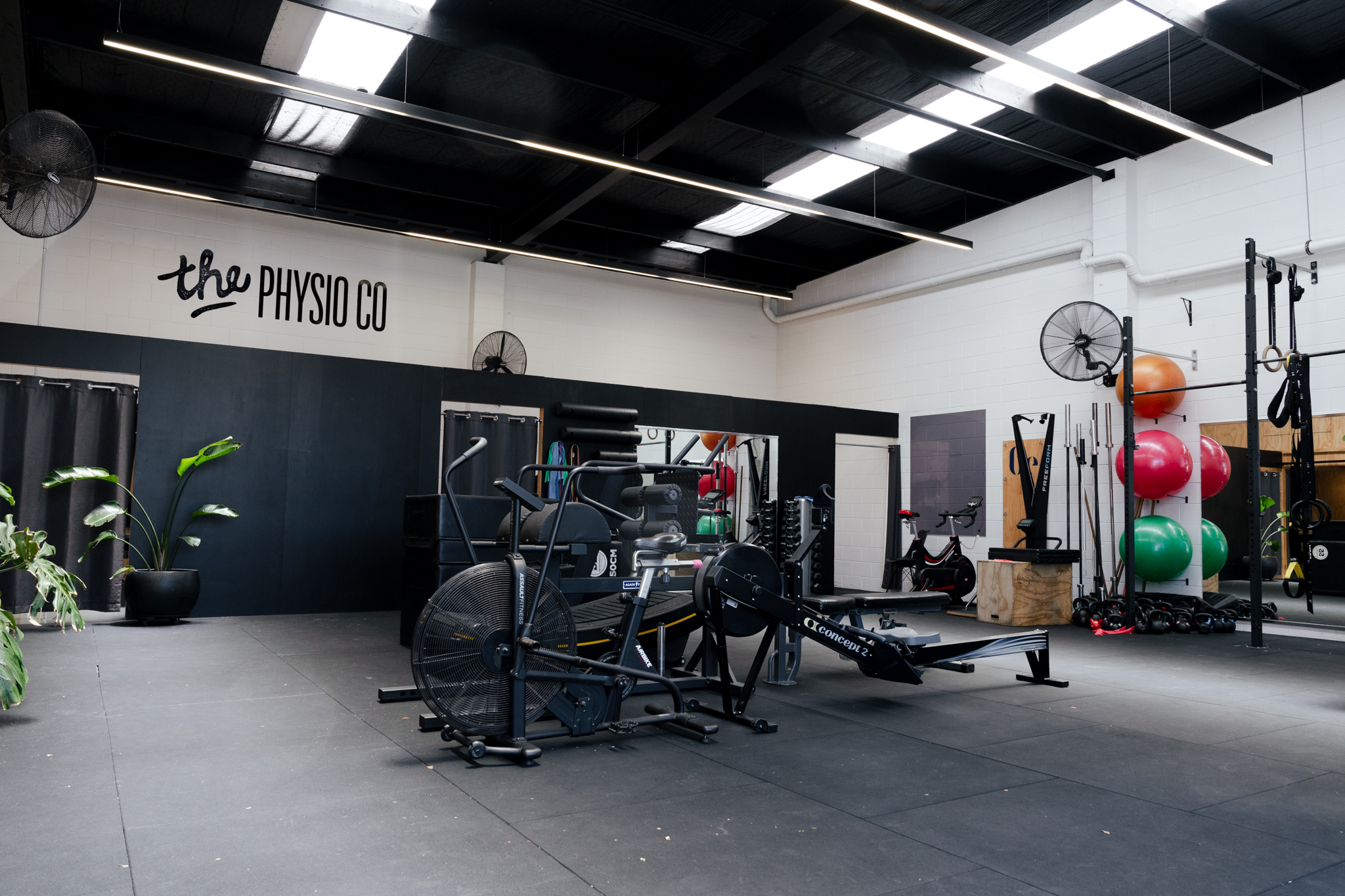
When a patient walks into your waiting room, what do you want them to feel before they've even spoken to anyone?
Before a patient has even spoken to anyone, we want them to feel that they're in the right place.
A lot of people walk into a physio clinic because something has stopped them from doing what they love. They might be in pain, frustrated, worried about an injury, or unsure what the next step is. We want the first feeling they have to be one of reassurance, that they're welcome, they're listened to, and they're going to be looked after.
We've always wanted The Physio Co. to feel different from a traditional healthcare environment. We want it to feel warm, approachable, and like a place where people genuinely want to be. Whether someone is an elite athlete, a weekend warrior, or simply someone wanting to move better and feel stronger, they should feel like they belong.
Ultimately, before they've even met their physio, we want someone to feel confidence: "I'm in good hands. These people care, they understand me, and they're going to help me get where I want to go."
How much do you think the physical environment of a clinic affects outcomes, or at least the patient's willingness to engage?
I think the physical environment of a clinic plays a bigger role than people often realise, not because a nice space alone creates better outcomes, but because it influences how people feel, engage, and participate in their recovery.
Rehabilitation is a partnership. The best outcomes happen when patients are actively involved in the process, and the environment they're in can help create that mindset. A space that feels welcoming, professional, and positive can make someone feel more confident and motivated to take ownership of their recovery.
Our gym space is a big part of that philosophy. We didn't want rehabilitation to feel like something people just had done to them, we wanted it to be a place where people could actively build strength, resilience, and confidence. Having a dedicated rehab space allows us to take someone from their initial injury through to higher-level goals, whether that's returning to sport, improving performance, or simply feeling stronger in everyday life.
It also changes the conversation around physiotherapy. Instead of focusing only on what someone can't do, the environment helps shift the focus towards what they're capable of building back towards.
What's missing from most clinic spaces that you've tried to fix at The Physio Co.?
I think one of the things we felt was missing from many traditional clinic spaces was that sense of connection between assessment, treatment, and the bigger picture of recovery.
A lot of clinics are designed around the appointment itself: someone comes in, gets assessed, receives treatment, and leaves. While that has an important place, we wanted to create an environment where people could see the full journey of recovery, understanding their body, building confidence, developing strength, and returning to the things they love.
That was one of the reasons our rehab gym space became such an important part of The Physio Co. We wanted rehabilitation to feel like more than a series of exercises on a sheet of paper. We wanted people to have a space where they could move, train, challenge themselves, and feel supported throughout the process.
Working With KARL
Before working with us, how would you describe your online presence and what it was doing for the clinic day to day?
Before we really invested in our online presence, I'd say it was fairly reactive rather than intentional. We had a website and social media, but they were more of a place to share updates rather than a true reflection of who The Physio Co. was and what we stood for.
A lot of our growth in the early days came through word of mouth, referrals, and the relationships we built with our patients and community. Those things remain incredibly important to us, but we realised that our online presence was an opportunity to continue that conversation and allow people to get to know us before they ever walked through the door.
For many people, their first interaction with a clinic now happens online. They're looking at your website, your social media, your reviews, and trying to understand whether they can trust you with their health. We wanted our digital presence to communicate the same things people experience when they come into the clinic: the quality of our care, our team culture, our approach to rehabilitation, and the genuine relationships we build with our patients.
The biggest shift was moving from simply having an online presence to using it as a way to educate, connect, and build community. It's become an extension of who we are, not a replacement for the relationships we build in person, but another way to share our values and support our community.
What was the thing that finally made you decide to do something about the website rather than keep putting it off?
I think the turning point was actually a relationship that developed quite naturally through the clinic.
Alex from KARL came to us initially as a patient, and over the course of his appointments we ended up having conversations about the business side of The Physio Co. as well. He could see what we were building, understood our vision, and started offering advice around areas where we had room to grow, particularly our online presence.
For a long time, the website was something I knew we needed to address, but like many business owners, there are always a hundred other priorities competing for attention. We were focused on looking after patients, supporting our team, and running the day-to-day of the clinic, so investing time and energy into the website kept getting pushed down the list.
Alex helped me see that our website wasn't just a place for people to find our contact details, it was often the first experience someone had with The Physio Co. He encouraged us to think bigger and recognise that our online presence should reflect the clinic we had grown into: our values, our team, our approach to care, and the community we had built.
What started as conversations during appointments eventually became the catalyst for us to stop putting it off and invest properly in our website. I'm really grateful for those conversations because sometimes the people who help you see the next step in your business aren't necessarily the people you expect.
You went through a redesign of your website and some local SEO with the KARL team. What was different for you on the other side of it, not just the metrics, but what it felt like day to day?
The biggest difference after the website redesign and SEO work was that our online presence finally felt like a true reflection of who The Physio Co. had become.
Before that, we knew the clinic had grown significantly, but our website didn't really communicate the full picture. It didn't capture our team, our approach, our values, our rehab space, or the experience we wanted people to have when they came to us. Once the new website was in place, there was a sense of confidence that when someone found us online, they were getting a genuine feel for who we are before they even stepped through the door.
Day to day, it changed the quality of conversations we were having with potential patients. People were coming in with a better understanding of what we do, who we help, and what makes us different. Instead of having to explain everything from scratch, they already had that connection and trust built before their first appointment.
The SEO side also gave us confidence that we were making ourselves more accessible to the people who needed us. We've always relied heavily on referrals and our community, but we realised there are so many people out there who don't know we exist yet. Improving our online visibility meant we could reach more of those people.
Probably the biggest change wasn't just the numbers, it was the feeling that our online presence was finally working alongside the clinic rather than sitting separately from it.
What would you tell another clinic owner who's sitting on an outdated website and putting off doing anything about it?
I'd say don't underestimate how important your website is in today's world. It's often the first interaction someone has with your clinic, long before they pick up the phone or walk through the door.
As clinic owners, we spend so much time focused on delivering great care, supporting our teams, and looking after our patients that it's easy to let things like your website fall down the priority list. That was certainly the case for us. We knew it needed attention, but there were always other things that felt more urgent.
The thing I'd encourage other clinic owners to think about is whether your website still represents the clinic you are today, not the clinic you were when you first started. Businesses evolve. Your team grows, your services change, your philosophy becomes clearer, and your website should grow with you.
So my advice would be: don't wait until you feel like you've "made it" or until you have time. Your website is part of your patient experience, and it deserves the same attention you give every other part of your business.
If you had to describe the KARL team to another business owner in one sentence, what would you say?
If I had to describe the KARL team to another business owner in one sentence, I'd say: they're the kind of people who take the time to understand your business, genuinely care about your success, and help you turn ideas into action.
What stood out to us was that it never felt like a transactional website or marketing service. They took the time to understand who we are, what we value, and what makes The Physio Co. different before jumping into solutions.
The Takeaway
The Physio Co.'s growth was never really about marketing. It was about trust, built patient by patient, referral by referral, over six years. But as Eden puts it herself, trust has to travel further than word of mouth eventually. If your website doesn't reflect the standard of care behind it, you're asking new patients to take a leap of faith your competitors' sites might make easier.
That's the gap a redesign and local SEO closed for The Physio Co. - not replacing the relationships and reputation they'd built, but giving people a way to feel that trust before they ever book an appointment.
If your website, or your clinic's online presence more broadly, still looks and reads like it did five years ago, it's worth asking the same question Eden did: does this actually represent the business you've grown into?
Want a Website and SEO Presence That Works as Hard as Your Team Does?
Book a free consultation with KARL and we'll walk you through what a redesign and local SEO strategy could look like for your business, no pressure, just a clear plan.
Book a Free Website Consultation
Discover quick wins for your digital strategy. 100% guaranteed.