
For a long time, marketing was about reach. Then it became about engagement. Now, increasingly, it is about belonging.
Audiences are more skeptical than ever. They have seen the ads, the funnels, the promises. What they are actively looking for now is trust, relevance, and connection. This is where community comes in.
A well-designed community does more than bring people together. It creates shared value, reduces friction in the buying journey, and turns passive audiences into active participants. From a conversion rate optimization perspective, community is not a soft concept. It is a powerful lever for retention, loyalty, advocacy, and long-term growth.
In this article, we will explore what it really means to create a community, the different types of communities businesses can build, which industries benefit most from each type, and why community has become one of the most effective growth strategies available today.
What Does “Community” Actually Mean in a Digital Context?
A community is not just a social media following or a Slack group that slowly goes quiet. A true community is a group of people connected by a shared purpose, interest, or challenge, who interact with each other regularly and gain value from that interaction.
The key difference between an audience and a community is participation. Audiences consume. Communities contribute.
From a digital marketing standpoint, community lives at the intersection of content, UX, trust, and ongoing value. It can sit on your website, in a private platform, within social channels, or across several touchpoints. What matters is not the platform, but the intention behind it.
Strong communities are designed, not improvised. They have a reason to exist, a clear value exchange, and a structure that makes participation feel natural and rewarding.
Why Creating a Community Matters More Than Ever
Community has always existed, but its importance has grown as digital experiences have become more transactional and more crowded.
There are several reasons why community has become such a critical lever for modern businesses.
First, trust is harder to earn. People trust peers more than brands. A community creates space for peer-to-peer validation, shared experiences, and honest conversations that no landing page can replicate.
Second, acquisition costs are rising. Paid media is more competitive, attention spans are shorter, and conversion paths are less linear. Communities improve retention and lifetime value, which reduces pressure on constant top-of-funnel growth.
Third, feedback loops are faster and richer. A community gives you direct access to qualitative insights. You can observe language, objections, motivations, and unmet needs in real time. For CRO and UX teams, this is invaluable.
Finally, community creates emotional switching costs. When people feel connected, leaving feels harder. That sense of belonging is difficult for competitors to replicate.
Different Types of Communities You Can Create
Not all communities serve the same purpose. The most effective ones are aligned with the business model, the audience’s needs, and the stage of the customer journey.
Brand-Led Communities
Brand-led communities are built around a shared identity connected to a brand’s values, mission, or lifestyle. The focus is not just on products, but on what the brand represents.
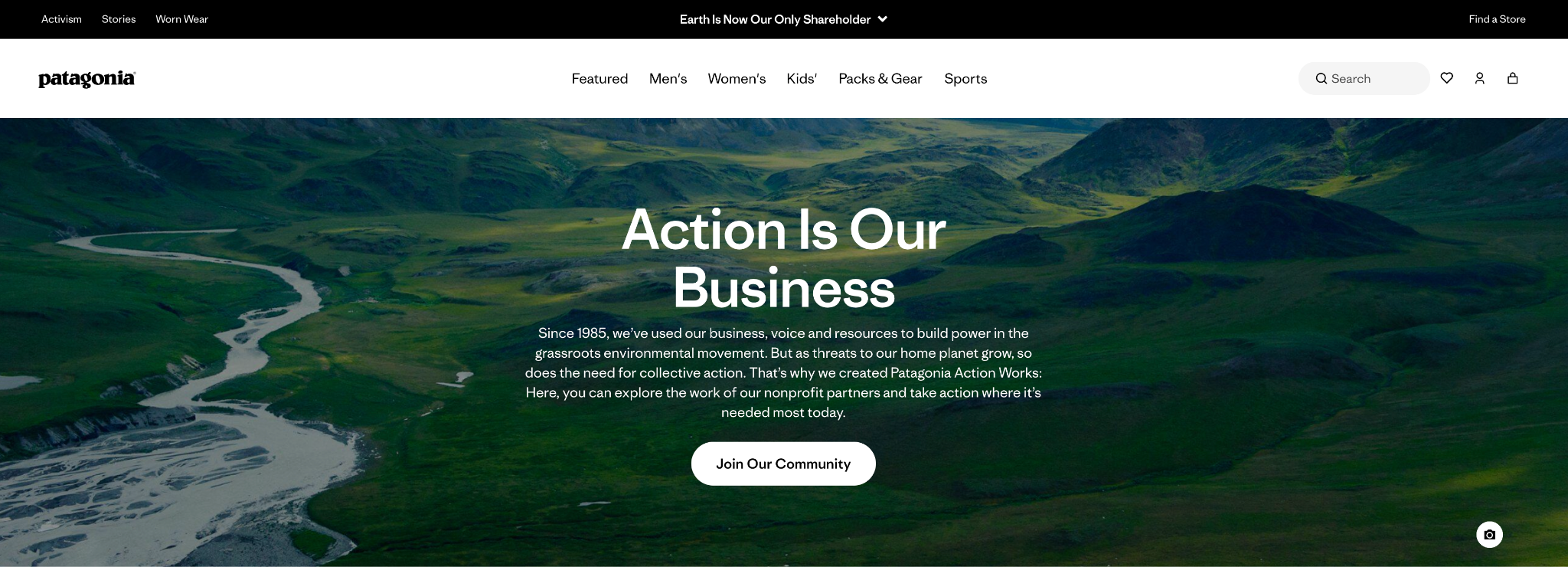
These communities work particularly well for consumer brands, fitness and wellness companies, lifestyle products, and mission-driven organizations. Think of brands that bring people together around sustainability, creativity, performance, or personal growth.
The key risk with brand-led communities is making them too promotional. If every interaction feels like marketing, engagement drops quickly. The value must come from connection and shared meaning, not constant selling.
Product-Led Communities
Product-led communities exist to support, educate, and empower users of a specific product or service. They often focus on use cases, best practices, troubleshooting, and feature discovery.
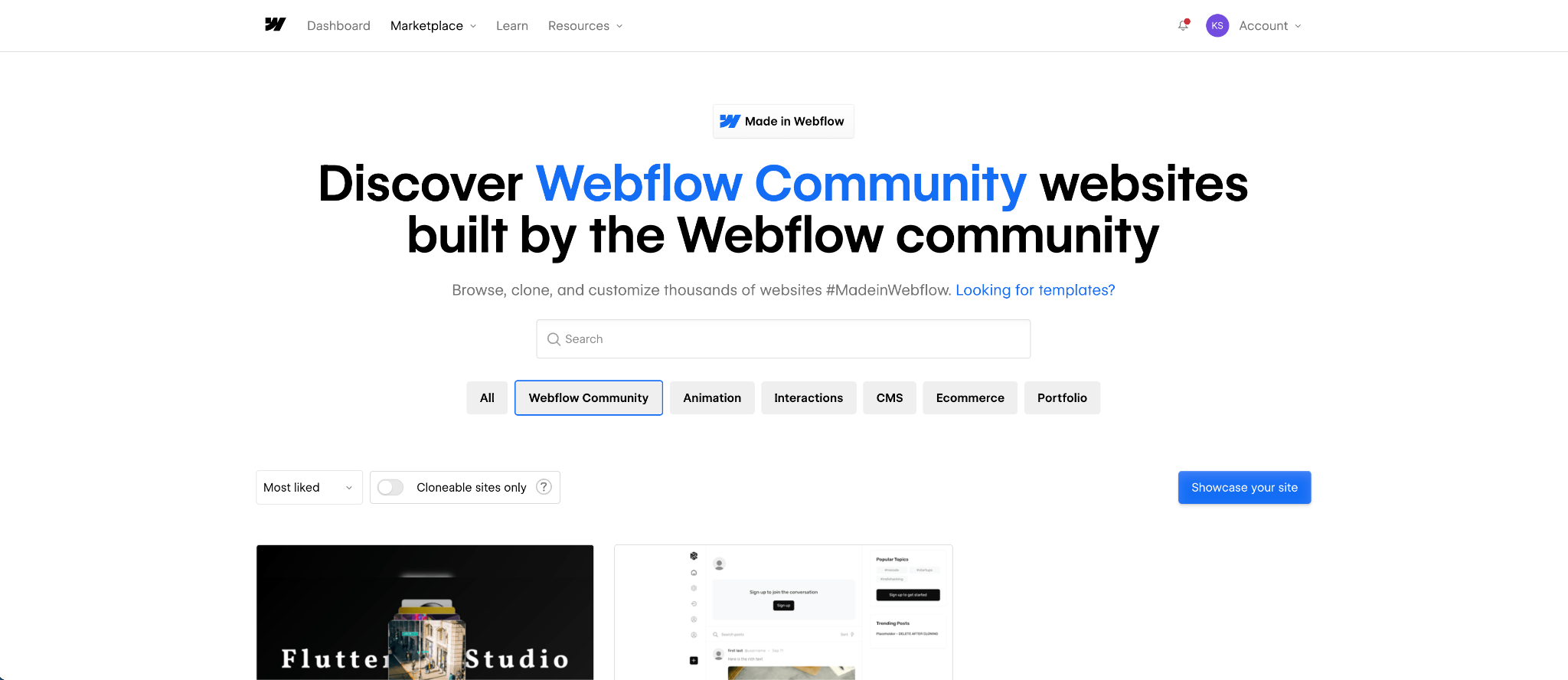
SaaS companies, tech platforms, and subscription services benefit enormously from this model. A strong product community can reduce support costs, increase adoption, and drive expansion revenue.
From a conversion perspective, these communities also support mid-funnel and post-purchase experiences. Prospects can see real users discussing real outcomes, which is often more persuasive than polished testimonials.
Learning and Education Communities
Learning-driven communities are centered on skill development, knowledge sharing, and professional growth. Members join to learn, ask questions, and improve over time.
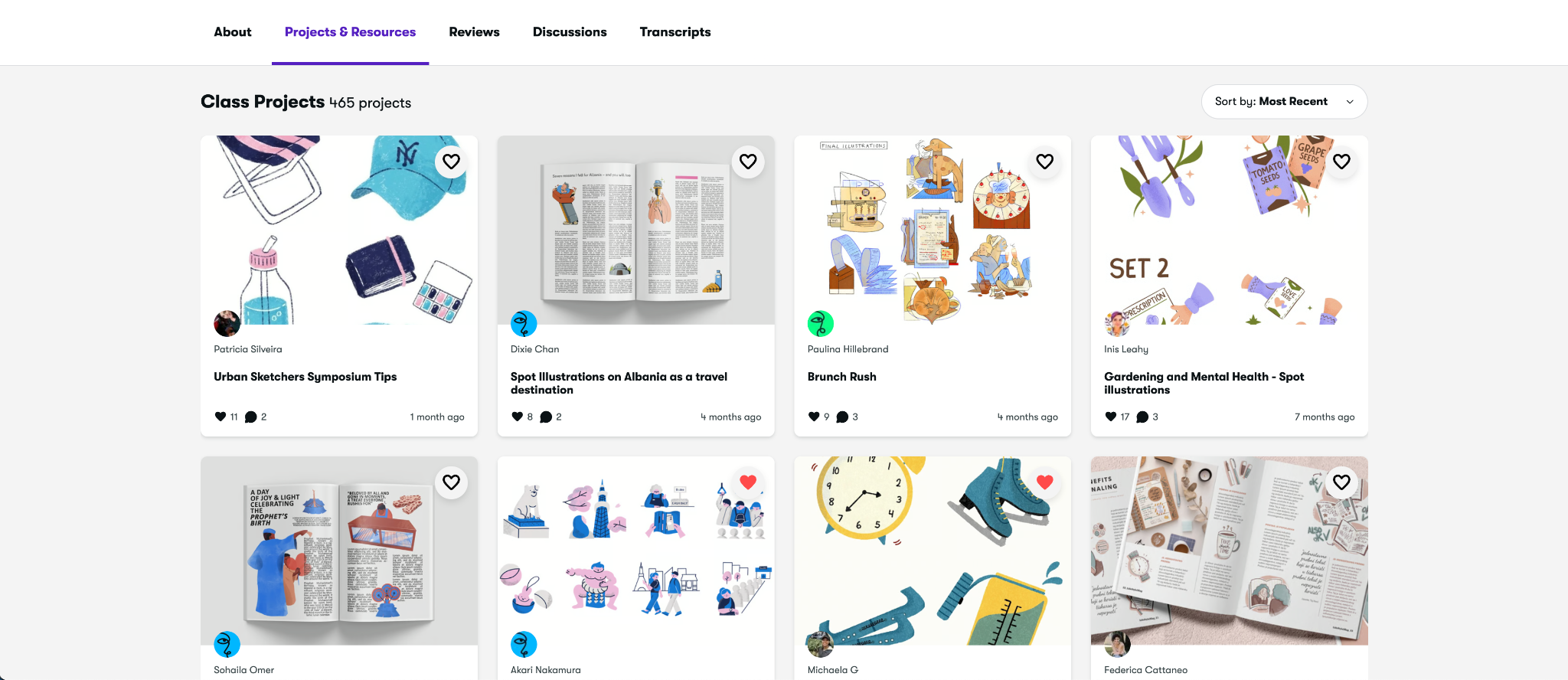
These communities are especially effective for B2B brands, consultancies, agencies, education providers, and platforms targeting professionals. They position the brand as a trusted guide rather than just a vendor.
Educational communities often pair well with content marketing, email marketing, and long-term nurture strategies. They keep people engaged long after the first conversion.
Support and Peer Communities
Support-focused communities bring people together around shared challenges. The emphasis is on empathy, experience sharing, and mutual help.
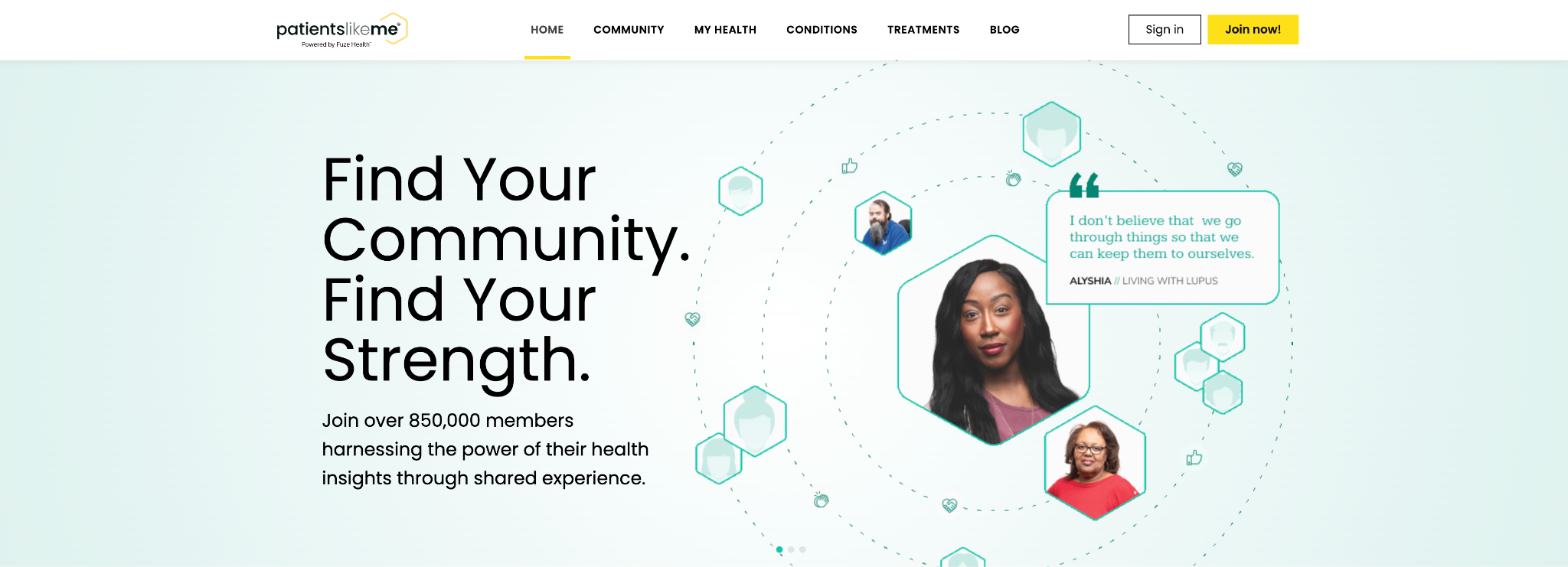
Healthcare, mental health, financial services, parenting brands, and complex B2B solutions often benefit from this type of community. When decisions feel high-stakes or emotionally charged, peer support becomes incredibly valuable.
Trust is the foundation here. Clear moderation, thoughtful UX, and strong community guidelines are essential.
Creator and Contributor Communities
Some communities are built around contribution itself. Members create content, share ideas, collaborate, and shape the direction of the platform or brand.
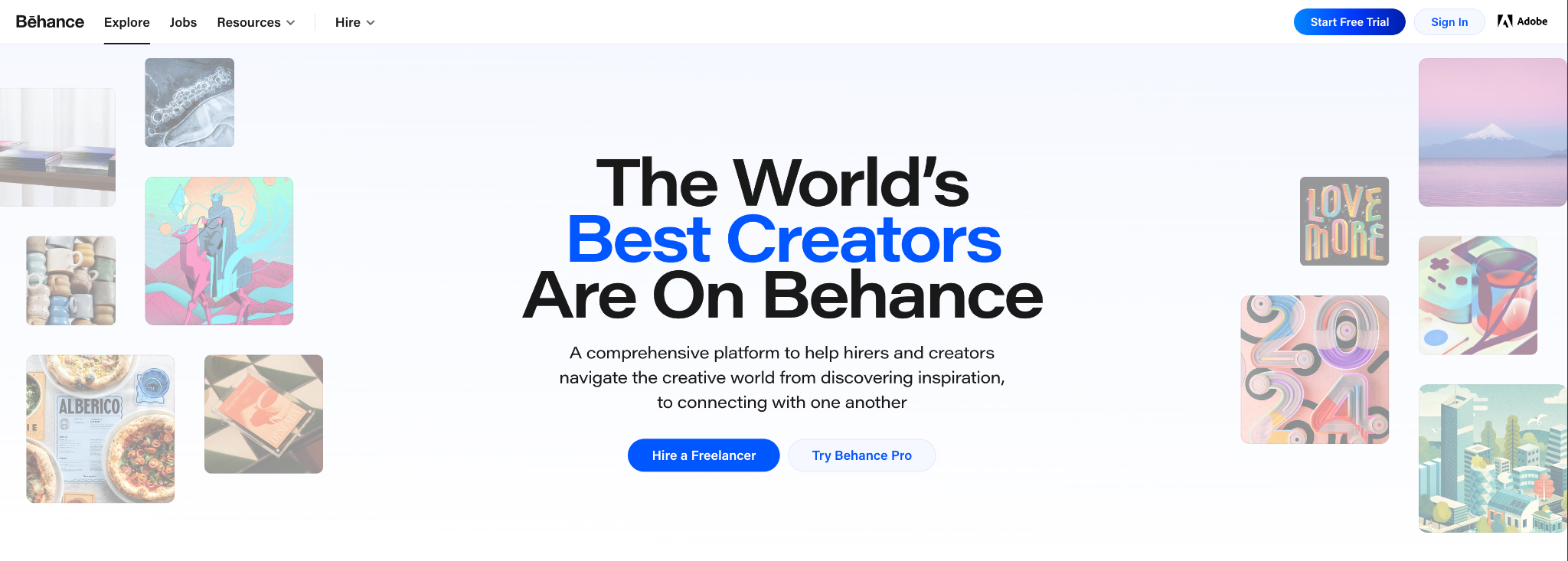
These communities are common in open-source projects, creator platforms, design tools, and innovation-driven companies. They work best when contributors feel genuinely heard and rewarded, whether through recognition, access, or influence.
Which Industries Benefit Most From Community and How
Almost any industry can benefit from community, but the form it takes should reflect user intent and context.
SaaS and technology companies often succeed with product-led and learning communities that reduce friction and improve adoption.
Ecommerce and consumer brands benefit from brand-led communities that build loyalty and encourage repeat purchases through shared identity.
Healthcare, wellness, and education brands often rely on support and learning communities to build trust and long-term engagement.
Professional services and agencies can use educational communities to demonstrate expertise, nurture leads, and shorten sales cycles.
The mistake many businesses make is copying the format of another brand without understanding why it works for that audience. Community design should always start with user research and behavioral insight, not trends.
How to Build a Community That Actually Works
This is where most brands struggle. They understand the value of community, but not how to design one intentionally.
1. Start With a Clear Purpose
Every strong community starts with a clear reason to exist. This purpose should be framed around the user, not the brand.
Ask yourself what problem the community helps solve, what people gain from joining, and why it should exist alongside everything else competing for their attention.
If the value is vague, participation will be too.
2. Define Who the Community Is For and Who It Is Not For
Trying to build a community for everyone almost always leads to disengagement.
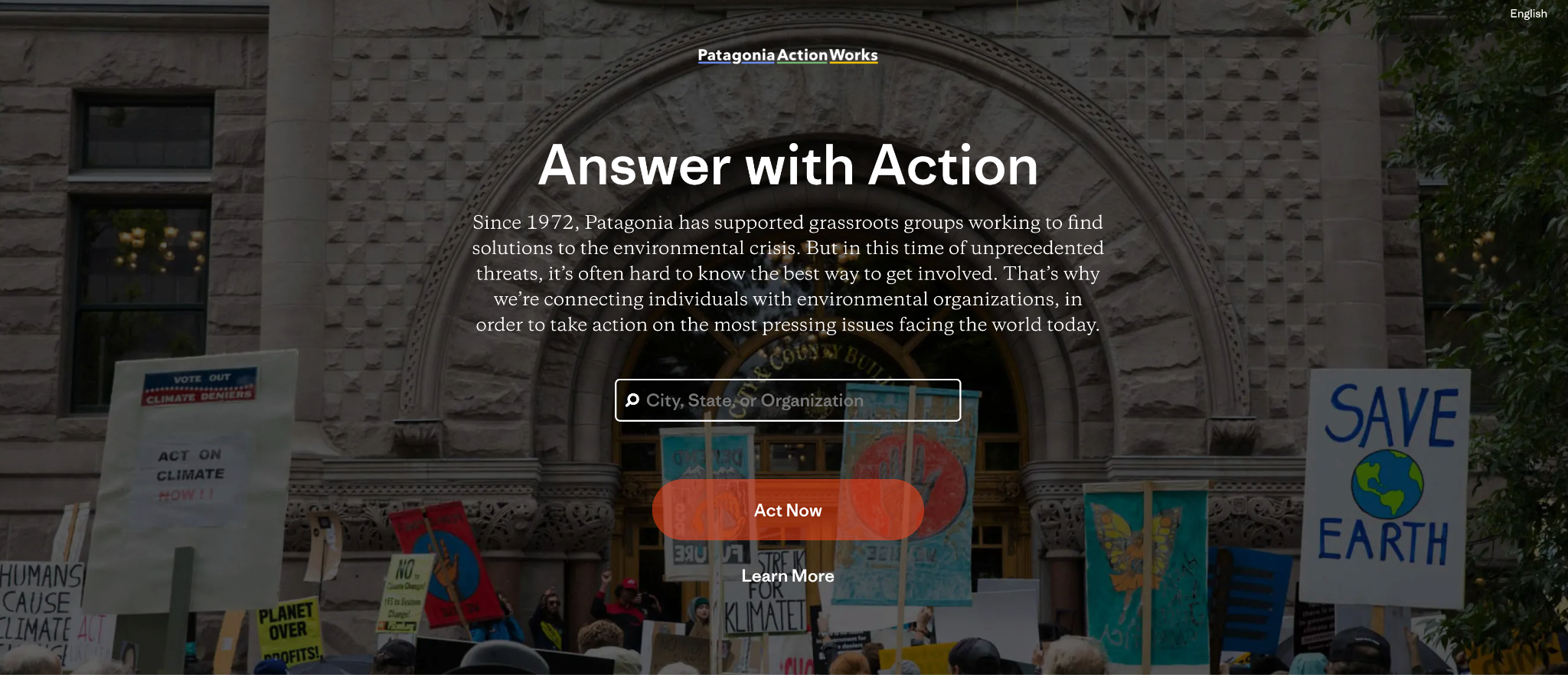
Be specific about who the community is designed for, including their goals, level of experience, and motivations. This clarity makes people feel like they belong as soon as they arrive.
It also helps shape tone, content, moderation, and UX decisions.
3. Choose the Right Platform Based on Behavior, Not Hype
The best platform is the one your audience will actually use.
For some communities, a private Slack or Discord space makes sense. For others, a forum, gated website area, or even email-led community is more effective.
Platform decisions should be driven by user behavior, accessibility, and long-term sustainability, not trends.
4. Design the Onboarding Experience Carefully
The first experience sets expectations.
New members should immediately understand what to do, how to participate, and where to start. A thoughtful onboarding flow reduces anxiety and increases early engagement.
This can include welcome messages, starter prompts, suggested actions, or featured discussions that guide behavior without overwhelming users.
5. Create Reasons to Participate Early and Often
Communities do not thrive on passive consumption.
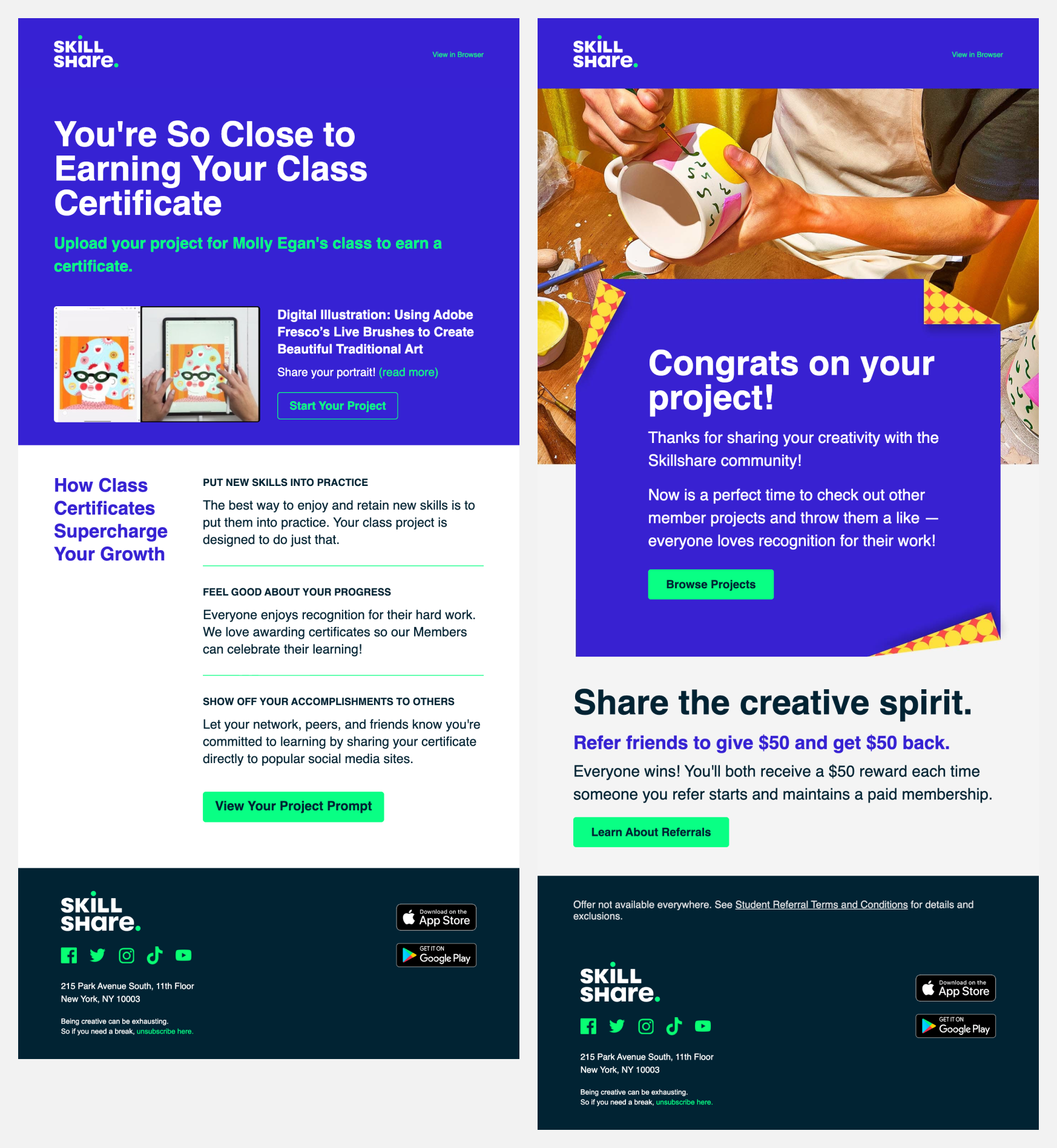
You need to design moments that encourage contribution, whether that is asking questions, sharing experiences, reacting to content, or helping others.
Participation should feel easy, safe, and rewarding, especially at the beginning.
6. Establish Clear Norms and Moderation
People engage more when they feel safe.
Clear community guidelines, consistent moderation, and visible leadership set the tone. This does not mean controlling conversations, but guiding them in a way that reinforces trust and respect.
Poorly moderated communities lose credibility quickly.
7. Connect Community to the Customer Journey
Community should not exist in isolation.
Think about how it supports awareness, consideration, onboarding, retention, and advocacy. Community touchpoints should be integrated into email marketing, onboarding flows, content strategy, and UX design.
When community is part of the journey, it naturally supports conversion rather than feeling like an extra effort.
8. Measure What Matters
Community success is not just about size.
Look at engagement, participation rates, repeat activity, qualitative feedback, and downstream impact on retention or conversion. These signals are far more meaningful than vanity metrics.
How Community Impacts Conversion and Growth
From a CRO perspective, community influences multiple stages of the funnel.
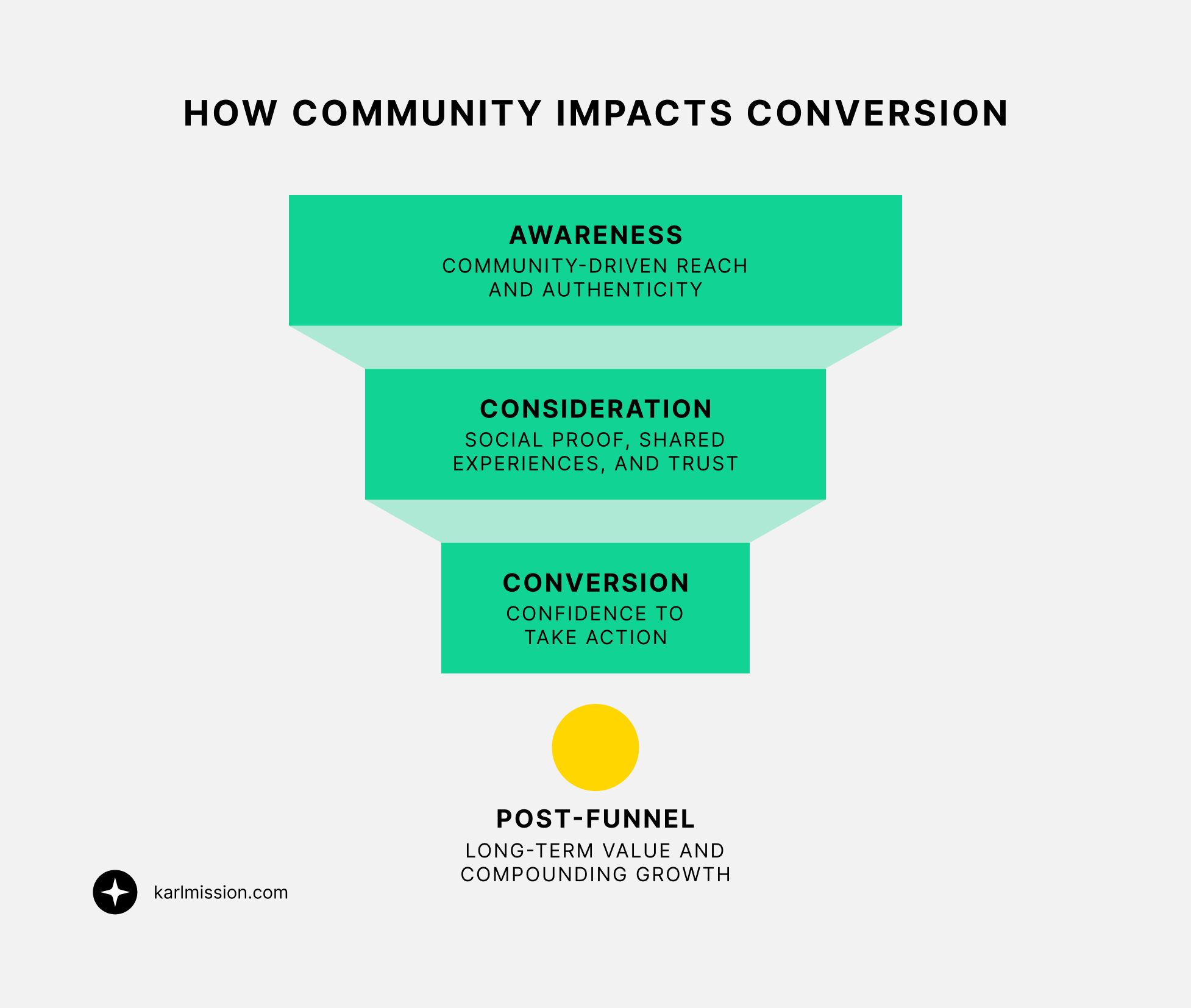
At the awareness stage, community content is highly shareable and authentic. It often performs better than branded messaging because it reflects real voices and experiences.
In the consideration stage, communities reduce uncertainty. Prospects can observe conversations, ask questions, and see how others have succeeded or struggled.
Post-conversion, community increases retention and lifetime value. Engaged users are more likely to upgrade, renew, and advocate.
Community also creates compounding returns. The longer it exists, the more value it generates for both users and the business. This is very different from one-off campaigns or short-term optimizations.
Designing a Community That Actually Works
Community success is rarely about the platform itself. It is about intentional design.
Strong communities start with a clear purpose. Members should immediately understand why the community exists and what they will gain from participating.
The onboarding experience matters. Early interactions set expectations and shape behavior. Clear prompts, welcoming messages, and early wins help people feel comfortable contributing.
UX plays a major role. Navigation, notifications, content structure, and moderation all influence whether people stay engaged or quietly leave.
Finally, communities need stewardship. They do not run themselves. Whether it is a community manager, a rotating group of champions, or the brand team itself, someone must actively guide conversations and reinforce values.
Common Mistakes Brands Make When Building Communities
One of the most common mistakes is treating community as a channel rather than a relationship. Communities are not just another place to push content.
Another mistake is launching too big, too fast. Small, engaged communities are far more valuable than large, silent ones.
Many brands also underestimate the importance of listening. Community is not just about broadcasting. It is about learning, adapting, and responding.
Community as a Long-Term Growth Asset
Community is not a quick win. It is a long-term investment that pays off through trust, insight, and sustained engagement.
When done well, it becomes a self-reinforcing growth engine. Members create value for each other. The brand earns loyalty rather than attention. Conversion becomes a natural outcome of connection, not pressure.
For businesses willing to invest in thoughtful strategy, UX, and ongoing optimization, community can be one of the most durable advantages in an increasingly competitive digital landscape.
How We Help Brands Build Communities That Convert
At KARL Mission, we look at community through a conversion and experience lens. We help brands design communities that align with user intent, business goals, and measurable outcomes.
From community-driven UX research to platform design, messaging, onboarding flows, and experimentation, we treat community as part of the full customer journey, not a side project.
If you are thinking about building or improving a community and want to make sure it actually drives growth, we would love to help.
Book a free consultation to explore how community can support your CRO, UX, and long-term growth strategy.
Book a Free Website Consultation
Discover quick wins for your digital strategy. 100% guaranteed.