If you only invest in one marketing channel, make it email. No algorithm can throttle your reach. No platform can delete your audience overnight. Your email list is an asset that you own.
For business owners and marketers who want a reliable, high-ROI channel to nurture leads and drive sales, email marketing consistently delivers. Research from the Data and Marketing Association puts email's average return at $36 for every $1 spent. That is not a typo.
But here is the catch: the results only come if you build your list the right way. A list of 500 genuinely interested subscribers will outperform a list of 5,000 people who barely remember signing up. Quality beats quantity every time.
This guide walks you through exactly how to build an email list from scratch, covering everything from choosing the right tools to crafting lead magnets that people actually want, optimizing your opt-in forms, and keeping your list healthy long term.
Why Building an Email List Should Be a Top Priority
Before getting into the how, it is worth understanding the why.
You own the channel. Social media followers, SEO rankings, and paid traffic can disappear. Your email list belongs to you. If Instagram changes its algorithm tomorrow or your Google rankings drop, your email list stays intact.
Email drives more conversions than social. The average email open rate across industries sits between 20% and 40%. Organic reach on Facebook, by contrast, often falls below 5% for business pages. Email puts your message directly in front of people who asked to hear from you.
It is cost-effective at scale. Once you have built your list, the cost to communicate with 1,000 subscribers versus 10,000 subscribers is marginal. That kind of scalability is hard to match.
It supports every stage of the funnel. From awareness to purchase to retention, email works across the entire customer journey. It is not just for promotions. It is for building trust, educating your audience, and staying top of mind.
Step 1: Choose the Right Email Marketing Platform
Before you can start collecting emails, you need a platform to manage them. The right tool will handle your subscriber list, automate welcome sequences, segment your audience, and track performance.
Here are the most popular options depending on your business type:
Mailchimp is a solid entry point for small businesses and beginners. It has a free tier up to 500 contacts and is easy to set up.
Klaviyo is built for e-commerce and integrates tightly with Shopify. If you run an online store, it is hard to beat for behavioral email automation.
ActiveCampaign is ideal for businesses that want powerful automation and CRM features without enterprise pricing.
Kit (Formerly ConvertKit) is popular with content creators, bloggers, and course creators. It is clean, simple, and built around audience segmentation.
HubSpot is the pick for larger teams that want email marketing, CRM, and marketing automation all in one platform.
When choosing, think about where you are now and where you want to be in 12 months. Switching platforms later is a pain, so pick one you can grow into.
Step 2: Create a Lead Magnet That Earns the Signup
Here is the hard truth: very few people will hand over their email address just because you have a newsletter. You need to give them a compelling reason to subscribe.
A lead magnet is something valuable that you offer for free in exchange for an email address. The best ones solve a specific, immediate problem for your target audience.
Effective lead magnet types include:
Ebooks and guides. A practical, well-designed PDF guide works well in almost any industry. Think "The Beginner's Guide to Google Analytics" or "10 Recipes for a High-Protein Diet." Make it genuinely useful, not just a promotional brochure.
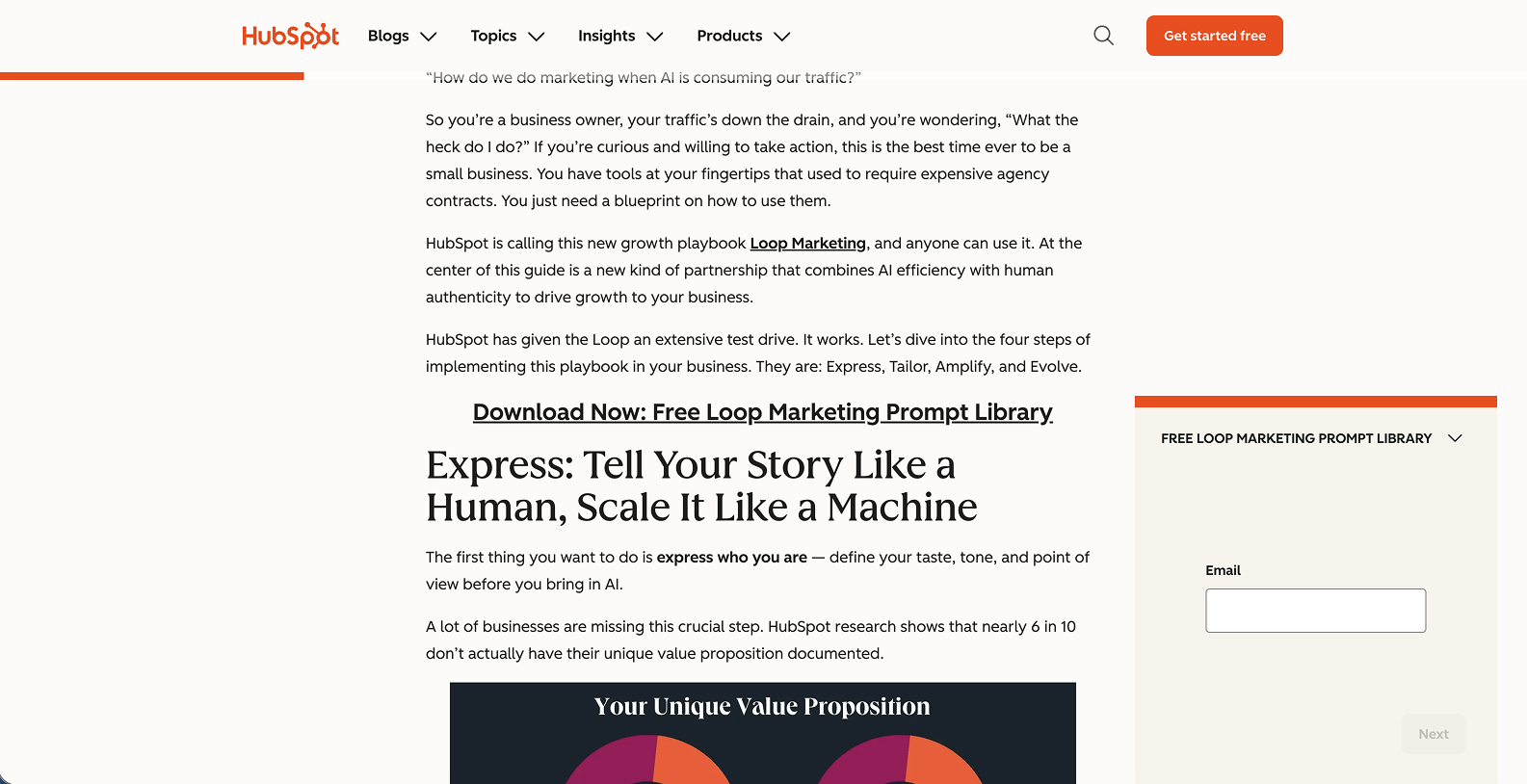
Checklists and templates. These are quick to create and highly practical. A content calendar template, an SEO audit checklist, or a website launch checklist are examples of resources people will actually keep and use.
Free courses or email sequences. A short email course delivered over 5 to 7 days is a great way to deliver value while also keeping new subscribers engaged from day one.
Webinars and workshops. Free live sessions are great for B2B businesses and professional services. They position you as an expert and give prospects a taste of how you work.
Quizzes and assessments. Interactive lead magnets like "What's Your Website's Conversion Score?" create personalized value and tend to have strong opt-in rates.
Discounts and offers. For e-commerce, a first-purchase discount (e.g., "Get 15% off your first order") is a tried-and-tested approach to list building.
The best lead magnet is one your specific audience genuinely wants. Talk to your customers, look at what questions you are answering repeatedly, and build something around that.
Step 3: Build High-Converting Opt-In Forms
Your opt-in form is where the conversion actually happens. Even the best lead magnet will underperform if your form is buried, confusing, or asks for too much information upfront.
Where to place your opt-in forms:
- Homepage: Above the fold or in the hero section for high visibility
- Blog posts: Within the content and at the end of the article
- Exit-intent popups: Triggered when a visitor is about to leave the page
- Dedicated landing pages: A standalone page focused entirely on the lead magnet
- Sidebar or header bar: Always visible as users scroll through your site
- After a purchase or checkout: A natural moment to capture email for future communication
Tips for improving opt-in form conversion rates:
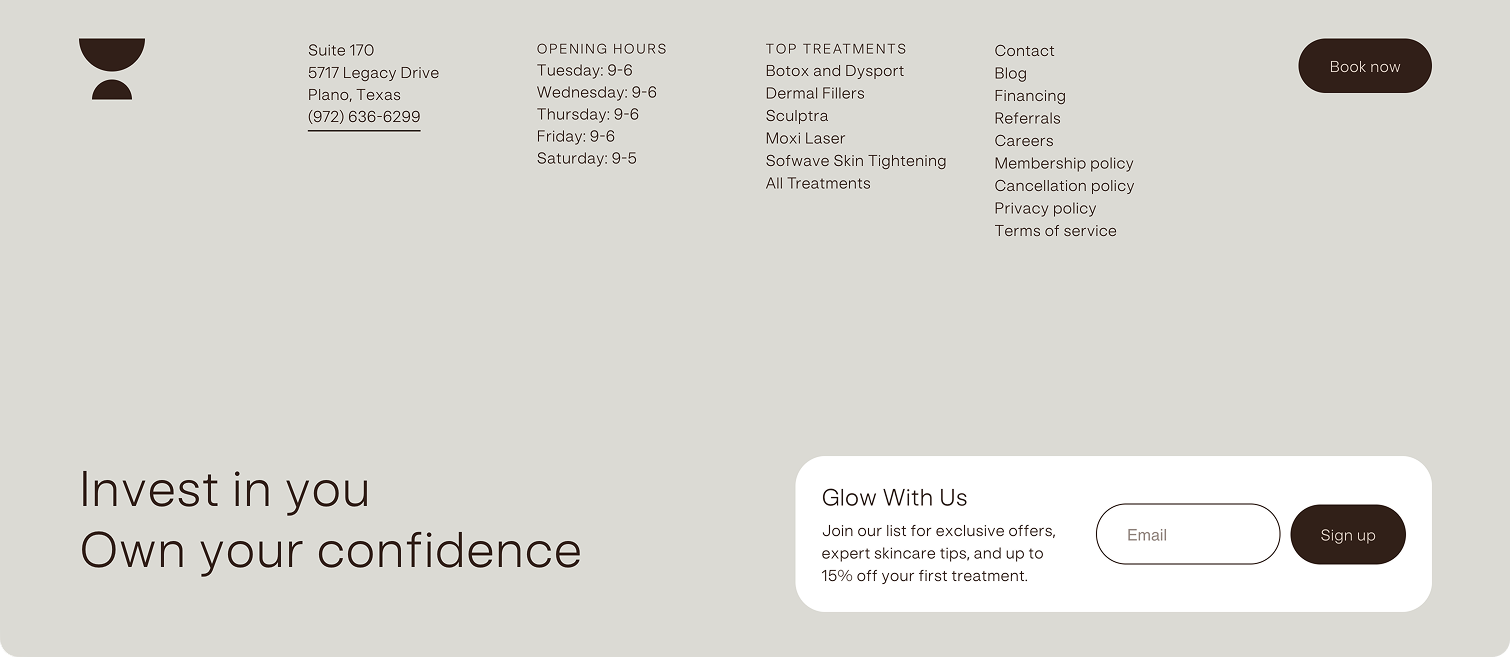
Keep it short. Name and email is usually enough. Every additional field you add reduces your conversion rate. Unless you have a strong reason to ask for more, keep it simple.
Write a benefit-driven headline. "Get the Free Website Audit Checklist" beats "Subscribe to Our Newsletter" every single time. Lead with what they get, not what you want.
Use a strong call-to-action button. "Send Me the Guide" is more compelling than "Submit." Make the button text specific to the action.
Reduce friction. Tell subscribers exactly what to expect. How often will you email them? What kind of content will they receive? Reassuring people that you will not spam them goes a long way.
A note on popups: Used well, exit-intent popups are one of the highest-converting opt-in placements. Used badly (showing immediately on page load, blocking content on mobile), they hurt the user experience. Time them correctly and they will earn their place.
Step 4: Create Dedicated Landing Pages for Your Lead Magnets
A landing page for your lead magnet gives it the focus it deserves. Unlike your homepage, a landing page has one job: get the visitor to sign up.
A strong lead magnet landing page includes:
- A clear, benefit-driven headline
- A short description of what the subscriber will get
- Bullet points highlighting the key value (keep it scannable)
- A preview or mockup of the resource (a 3D ebook cover, a screenshot of the template)
- Social proof, if available (number of people who have downloaded it, testimonials)
- A simple opt-in form
- No navigation menu or other links that distract from the conversion goal
Drive traffic to this page through your blog posts, social media, paid ads, and any partnerships or guest content you publish elsewhere.
Step 5: Use a Double Opt-In Process
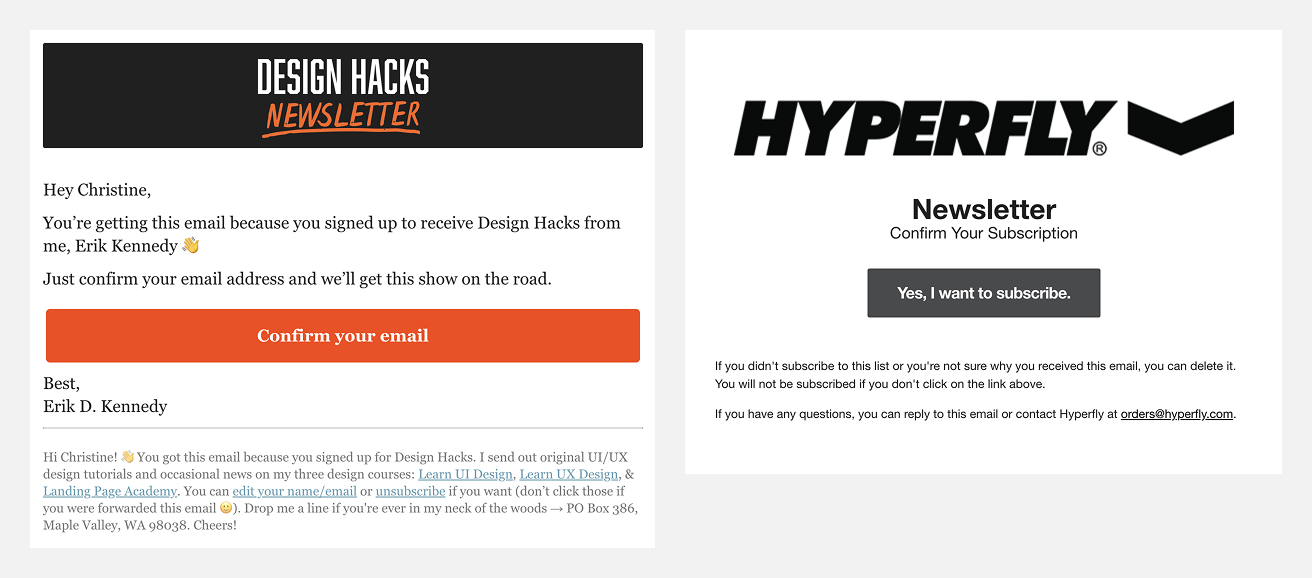
When someone submits their email address, you have two options: add them to your list immediately (single opt-in) or send them a confirmation email they need to click to verify their subscription (double opt-in).
Double opt-in is widely recommended for a few important reasons:
Better list quality. Subscribers who confirm their email are more engaged and more likely to open your emails. You also eliminate fake or mistyped email addresses automatically.
Stronger deliverability. A clean, engaged list means better inbox placement and fewer spam complaints, which protects your sender reputation with email providers.
Legal compliance. In many markets, including those under GDPR (Europe) and similar regulations, confirmed consent is a requirement. Double opt-in gives you a clear paper trail.
Yes, you will lose some subscribers in the confirmation step. That is fine. The ones who do confirm are more valuable than those who did not bother.
Step 6: Drive Traffic to Your Opt-In Forms
Building a great opt-in form is only half the job. You also need to consistently bring people to it.
Content marketing and SEO. This is one of the most sustainable traffic strategies for email list building. Publishing high-quality blog posts that rank on Google brings a steady stream of relevant visitors to your site, where your opt-in forms can capture their details.
Social media. Share your lead magnet across your organic social channels. Pin a post about it on your profile. Mention it in relevant conversations. Organic social is not dead, it just needs to be used strategically.
Paid advertising. If you want to scale your list-building efforts quickly, paid ads on Google, Meta, or LinkedIn can drive targeted traffic directly to your landing page. This is especially effective once you know your lead magnet converts well.
Guest posting and partnerships. Writing for other industry publications or partnering with complementary brands to promote your lead magnet exposes you to a whole new audience.
Your existing website traffic. Do not underestimate the list-building potential of your current site visitors. A well-placed exit-intent popup or content upgrade within a popular blog post can convert existing readers into subscribers without spending a cent on extra traffic.
Step 7: Set Up a Welcome Email Sequence
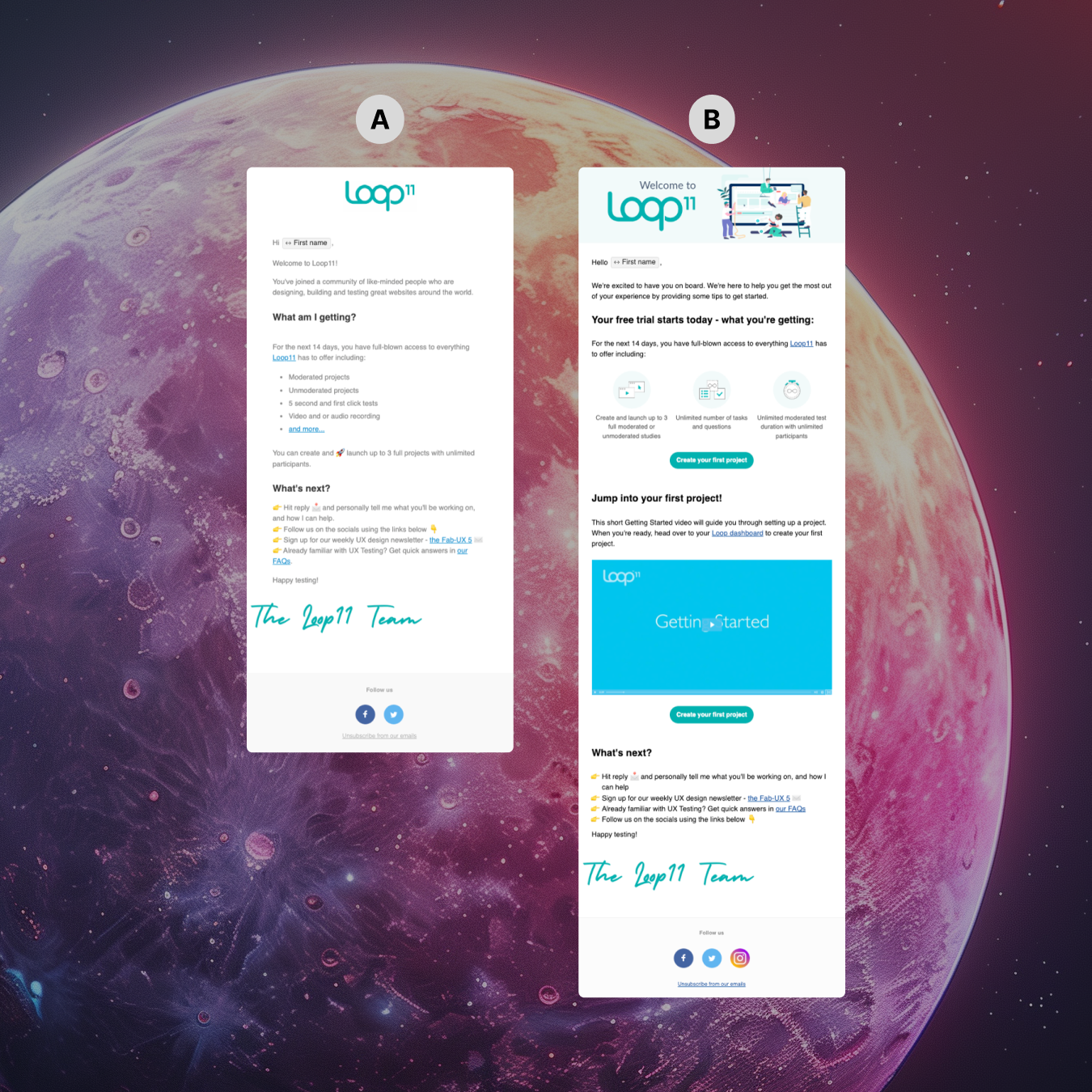
The moment someone joins your list is your highest point of engagement. Do not waste it by sending nothing until your next newsletter goes out.
A welcome email sequence is an automated series of emails sent to new subscribers over the first few days or weeks. It sets expectations, delivers value, and starts building the relationship from the very first touchpoint.
A simple welcome sequence might look like this:
Email 1 (Immediate): Deliver the lead magnet, say thank you, and introduce yourself briefly.
Email 2 (Day 2 to 3): Share something genuinely useful, such as a popular blog post, a tip, or an insight related to why they signed up.
Email 3 (Day 5 to 7): Tell your story or share what makes your business different. Build credibility and trust.
Email 4 (Day 10 to 14): Introduce your services or products naturally, in the context of solving their problem. Include a soft call to action.
The goal of a welcome sequence is not to sell immediately. It is to make the subscriber glad they signed up.
Step 8: Segment Your List from the Start
Not everyone on your email list is in the same place or interested in the same things. Segmentation means grouping your subscribers based on common characteristics or behaviors so you can send more relevant, targeted emails.
Basic segmentation can be as simple as:
- How they signed up (which lead magnet, which page)
- What they have expressed interest in
- Where they are in the customer journey (new subscriber, past customer, lapsed customer)
- Geographic location or industry
More advanced segmentation uses behavioral data: who opened which emails, who clicked on what links, who visited which pages on your website.
The more relevant your emails are to the reader, the higher your open rates, click rates, and ultimately conversions will be.
Step 9: Maintain a Healthy Email List
Growing your list is important. Keeping it clean is equally important. A bloated list full of inactive subscribers will hurt your deliverability and give you misleading performance metrics.
List hygiene best practices:
Re-engage before removing. Before removing inactive subscribers, send a re-engagement campaign. A simple "Are you still interested?" email with a clear call to action can win some of them back.
Remove or suppress unengaged contacts. Subscribers who have not opened a single email in 6 to 12 months are dragging down your metrics. Suppressing them (removing them from active sends without deleting their record) is usually the right move.
Monitor your bounce rate. Hard bounces, where the email address does not exist, should be removed immediately. A high bounce rate signals deliverability problems.
Honor unsubscribes promptly. Beyond being a legal requirement in most countries, respecting unsubscribes protects your sender reputation and keeps your list quality high.
Frequently Asked Questions About Building an Email List
How long does it take to build an email list?
There is no fixed timeline. With strong lead magnets, consistent content, and some paid promotion, some businesses grow their first 1,000 subscribers within a few months. For others, with lower traffic and no paid promotion, it takes longer. The important thing is to start and to be consistent.
How many subscribers do I need before email marketing is worth it?
Email marketing is worth it from subscriber one. Even a small, engaged list can drive meaningful revenue if the subscribers are the right fit. Do not wait until you hit a certain number. Start sending valuable emails early.
Should I buy an email list?
No. Buying email lists is one of the fastest ways to damage your sender reputation, get your account suspended by your email platform, and frustrate people who never asked to hear from you. It rarely delivers results and comes with real legal risk under GDPR, CAN-SPAM, and similar laws. Build your list the right way.
What is the best frequency for sending emails?
This varies by industry and audience. The right answer is: as often as you have something genuinely valuable to say. For most businesses, once a week or twice a month is a good starting point. Consistency matters more than frequency. Whatever cadence you choose, stick to it.
How do I write emails people actually open?
The subject line is the biggest lever. Be specific, create curiosity, or highlight a clear benefit. Keep it short (under 50 characters is a useful benchmark). Also think about your sender name. Emails from a real person's name often outperform those from a company name. Test both and see what works for your audience.
What is email list segmentation and do I need it?
Segmentation means dividing your list into smaller groups based on shared characteristics or behaviors so you can send more relevant content. You do not need complex segmentation from day one, but even basic segmentation (new subscribers vs. existing customers, for example) will improve your results meaningfully.
Common Email List Building Mistakes to Avoid
Prioritizing quantity over quality. A smaller, engaged list will always outperform a large, disengaged one. Focus on attracting the right people, not just more people.
Using a vague or low-value lead magnet. "Sign up for our newsletter" is not a value proposition. Give people a genuine, specific reason to hand over their email.
Neglecting the welcome sequence. New subscribers are at peak engagement. If you do nothing when they first sign up, you are wasting your best opportunity to make a good impression.
Not testing opt-in forms. Your first version of an opt-in form is rarely your best. A/B testing different headlines, form placements, and calls to action can have a significant impact on conversion rates.
Ignoring mobile optimization. More than half of emails are opened on mobile devices. If your opt-in forms, landing pages, and emails are not mobile-friendly, you are losing a large chunk of potential subscribers.
Sending too infrequently and then overwhelming people. Going quiet for months and then sending a burst of emails is a recipe for unsubscribes and spam complaints. Stay consistent.
Conclusion
Building an email list is not a one-time project. It is an ongoing process of attracting the right audience, delivering genuine value, and continuously optimizing your approach based on what the data tells you.
The businesses that do this well do not just have a big list. They have a relationship with their audience. That relationship is what drives conversions, loyalty, and long-term growth.
Start with the basics: choose a platform, create a compelling lead magnet, set up your opt-in forms, and launch a welcome sequence. From there, layer in segmentation, consistent content, and regular list hygiene. Every step you take builds an asset that compounds over time.
Ready to Build a Smarter Email Marketing Strategy?
If you want help building an email list that actually converts, or if your current email marketing is not delivering the results you need, let's talk. Our team specializes in email marketing strategy, conversion rate optimization, and data-driven growth.
Book a Free Consultation and find out exactly where your biggest opportunities are.
Book a Free Website Consultation
Discover quick wins for your digital strategy. 100% guaranteed.